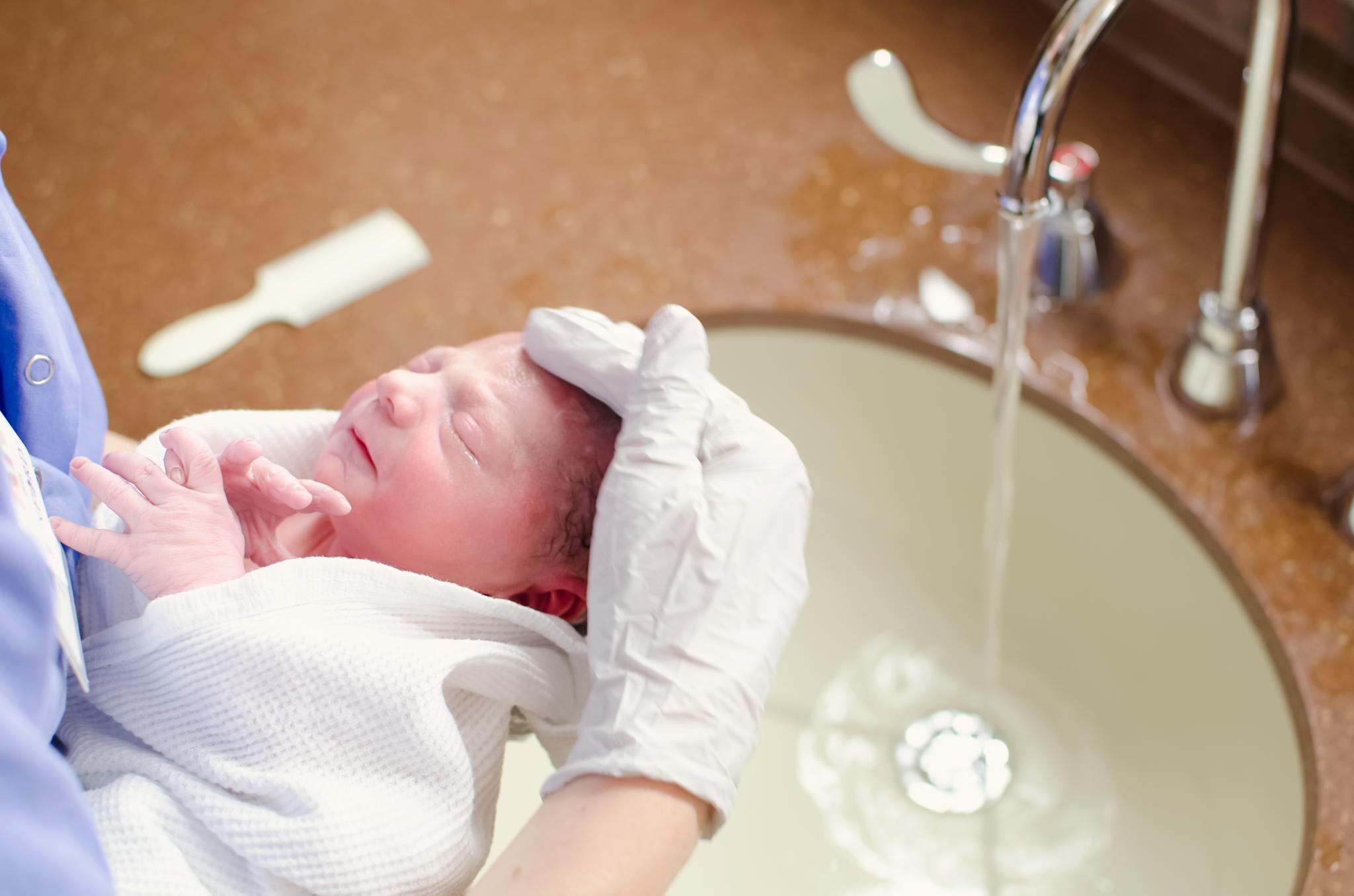
BABY BATHING BASICS: HOW TO BATHE A NEWBORN SAFELY AND CONFIDENTLY
As a new parent, nothing prepares you for the constant anxiety. The fear. The worry.
The frequent visit to the nursery to see if your sleeping baby is still breathing, or the sudden appearance of rashes on your newborn’s skin that leaves you questioning your parenting abilities.
Not to mention, the momentary panic when your baby’s poop color changes.
If you’re nodding along right now, I see you. We’ve all been there.
Babies are fragile, and yours is no exception. You have to be gentle while handling them, especially when they're wet.
But there’s one fear many parents rarely talk about. The fear of your baby slipping off your hands during bath time.
Your fear is valid, but it doesn’t have to win.
Mastering baby bathing basics will give you the confidence you need.
In this guide, you’ll learn everything you need to know about how to bathe a newborn, baby bath safety tips you need to know, and the baby bath essentials that make the process easier and safer.
Bath time will no longer be a routine but a joyful bonding experience between you and your little one.
How Often Should You Bathe Your Baby?
Your baby's skin is tender and prone to dryness, so you don't have to bathe your baby every day.
2-3 times a week works fine.
But this is not a hard rule.
Usually, a sponge bath is recommended until the umbilical cord stump falls off. This is to keep the area dry and free from infection.
After the stump falls off, you can start to give your baby a full bath regularly as you wish. How often depends on the routine you establish. It could be every day or a couple of times a week. This is totally up to you.
It also depends on whether your baby likes it, as not all babies like bath time, while some never want to leave the bathtub.
Between baths, cleaning your baby's skin folds, diaper area, thighs, and groin keeps them fresh and comfortable.
How to Give Your Baby a Sponge Bath
- Gather all the baby bathing essentials before you start. Lay everything within arm’s reach.
- Wrap your baby in a towel and place them on a clean, flat surface.
- Wet your baby’s hair with a few drops of mild baby shampoo.
- Gently wash hair in a circular motion. Rinse thoroughly and dry immediately.
- Wipe the face area with a washcloth or cotton ball that has been dipped in water. Ensure you use one cotton ball for each eye to avoid infection.
- Clean the outer ear and avoid cleaning the inner ear.
- Go ahead to wipe the arms, neck area, and body with a washcloth or cotton ball.
- Wipe the diaper area from front to back. For baby boys, gently move the scrotum to the side to clean undeneath.
- Once done, wrap your baby up as quickly as possible.
Please note, if your baby boy is circumcised, apply a thin layer of Vaseline to the penis before closing the diaper. This helps prevent healing tissues from sticking to the diaper.
Baby Bath Essentials: What You'll Need
To have a successful bath time with your little one, there are baby bath essentials you must have. Your baby’s skin is delicate; be intentional about choosing gentle products suitable for their skin. Below is a list of the baby bathing essentials you need:
- Infant bath tub
- Warm water
- Washcloth/ Cotton balls
- Unscented baby soap
- Mild shampoo
- Comb
- Towel
- Baby Lotion
- Diaper
- Clothes
Step-by-Step Newborn Bathing Guide
To avoid distractions during your baby’s bath time, have all baby bath essentials available before you start. Here's a step-by-step guide to give your baby a good full bath:
- Run the bath water to about 2 inches. Cold water goes in first, then hot water. Use your wrist or elbow to ensure it's the right temperature.
- Undress your baby and lower them into the tub, feet first.
- Cradle your baby’s head and shoulders with one hand to provide support. Your baby’s head must be above water always.
- Wash your baby gently. Use a small amount of baby soap. It’s a good time to speak or sing to them. It helps them relax.
- Rinse off lather with clean water. Once done, gently lift your baby out of the tub onto a clean dry towel.
- Pat your baby dry. You are ready to dress your baby.
Baby Bath Safety Tips At Home
Bath time can be fun and safe with the right precautions.
- Always gather everything you need before you start.
- Do a water temperature test. You can use your wrist or elbow in the absence of a thermometer.
- Limit distractions.
- Keep bath time short (about 5-10 minutes)
- Never leave your baby with older siblings during bath time.
- Keep cosmetics, medicines, and any toxic substances out of children’s reach.
- Dry and dress your baby immediately after bath.
- Never leave your baby unattended, even for a second: not to grab a towel or to answer the door. Babies can drown in less than 2 inches of water within 60 seconds.
Conclusion
Bath time shouldn’t just be routine. Make it a time to bond with your little one.
Talk to your baby. Play with your baby while at it.
Don’t get yourself worked up about getting it right immediately. Every skill takes time to master; it’s the same with bathing your baby.
With each bath, you will grow more confident, and before you know it, Bath time will be fun time!
Have questions about baby care? Drop them in the comments below. We'd love to help!
0 Comments Add a Comment?